Mango Marshmallow: A Vibrant Color Font for Web Design
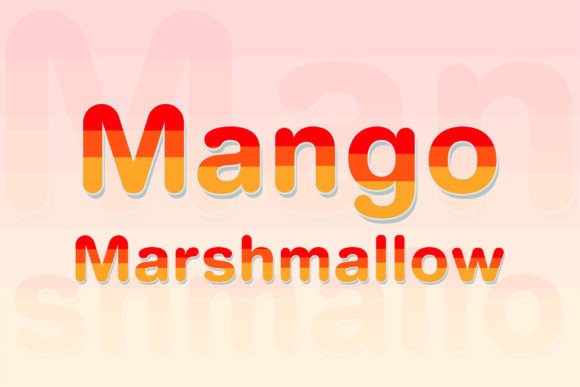
In the evolving landscape of digital product creation, typography has shifted from a purely functional element to a primary driver of brand emotion. As web designers and UI specialists, we constantly search for typefaces that do more than just convey information; they must set a tone, establish hierarchy, and capture attention within milliseconds. Enter Mango Marshmallow, a color design typeface that brings the warmth of a tropical sunset directly into your browser viewport. This is not merely a static glyph set; it is a dynamic visual asset designed to elevate landing pages, hero sections, and branded web experiences with its delightfully sans serif style and vibrant orange hues.
Understanding the Visual Personality of Mango Marshmallow
Mango Marshmallow belongs to the emerging category of Color Fonts. Unlike traditional monochrome fonts that rely solely on shape and weight, color fonts embed palette information directly into the font file. This allows for complex gradients, shadows, and multi-tone effects that render consistently across supported platforms. The aesthetic of Mango Marshmallow is defined by its gentle, rounded forms and a warm, inviting color profile. Imagine the soft diffusion of light during golden hour; this font captures that essence, offering a visual texture that feels both modern and approachable.
For digital creators, this means you can achieve high-impact visual designs without relying heavily on image assets or complex CSS layering. The font itself carries the weight of the design. Its sans serif structure ensures that despite the decorative color elements, the underlying letterforms remain clean and legible. This balance is crucial for maintaining professionalism while injecting personality into a digital interface. It avoids the clutter often associated with overly ornate script fonts or handwritten styles, making it a versatile choice for modern typography projects.
Strategic Applications in Web and UI Design
The primary strength of Mango Marshmallow lies in its ability to anchor visual hierarchy. In web design, hierarchy guides the user’s eye through content, prioritizing key messages. Because this font is visually distinct, it performs best as a display font for headlines, hero titles, and short, impactful phrases. Using it for long-form body copy would likely reduce readability and cause visual fatigue. Instead, reserve it for areas where you need to stop the scroll.
- Hero Sections: Use Mango Marshmallow for the main headline on a landing page. The vibrant orange tones create an immediate focal point against neutral backgrounds, drawing users into the value proposition.
- Call-to-Action Areas: While not ideal for small button text due to its decorative nature, it works exceptionally well for large, banner-style CTAs or promotional headers that lead into a conversion funnel.
- Digital Ads and Social Graphics: In crowded social media feeds, static black text often gets ignored. A color font like Mango Marshmallow stands out naturally, increasing click-through rates for digital ads and story graphics.
- Brand Identity Elements: Incorporate it into logo design variations for lifestyle brands, boutique online stores, or creative portfolios where warmth and creativity are central to the brand identity.
Consider a coaching website or a course sales page. The goal is to build trust while appearing accessible and energetic. By using Mango Marshmallow for section headings such as "Transform Your Career" or "Join the Community," you inject energy into the layout. The font’s friendly demeanor lowers psychological barriers, making the user feel welcomed rather than sold to.
Readability and Responsive Layout Considerations
When integrating any display font into a responsive web environment, technical performance and readability are paramount. Mango Marshmallow shines on desktop screens and tablets where pixel density allows the color details to render sharply. However, mobile design requires careful adjustment. On smaller screens, intricate color details can sometimes blur or lose definition depending on the device and browser support.
To maintain usability, ensure that when using Mango Marshmallow on mobile devices, you increase the font size and line height. Avoid placing it over busy image overlays where contrast might be compromised. The vibrant orange hues work best against white, off-white, or very dark charcoal backgrounds. Testing across various browsers is essential, as support for OpenType-SVG and other color font formats varies. Always provide a fallback monochrome version in your CSS stack to ensure that if the color data fails to load, the text remains legible and structurally sound.
Effective Font Pairing for Digital Interfaces
A strong design system relies on contrast. Since Mango Marshmallow is a bold, expressive display font, it demands a quiet, structured partner for body copy. Pairing it with a neutral, highly legible sans serif font creates a balanced editorial design feel. For instance, combining Mango Marshmallow headers with a clean geometric sans serif for paragraphs ensures that the user’s eye rests comfortably after being caught by the headline.
Alternatively, for a more sophisticated or editorial look, you might pair it with a modern serif font. This juxtaposition of the playful, colorful sans serif against the traditional authority of a serif typeface can create a unique brand voice suitable for lifestyle blogs, fashion e-commerce sites, or creative agencies. The key is to let Mango Marshmallow take the spotlight for emphasis while the secondary font handles the heavy lifting of information delivery.
Licensing and Technical Implementation
Before deploying Mango Marshmallow in client projects or commercial products, verify the licensing terms. Commercial font licenses vary significantly regarding web usage, app embedding, and digital template distribution. Ensure that your license covers the specific mediums you intend to use, such as SaaS platforms, online stores, or downloadable digital assets.
From a technical standpoint, check the available file formats. Modern web implementation often requires WOFF2 files for optimal loading speeds. Confirm that the font package includes necessary weights and alternates if you plan to use it across diverse layout contexts. Proper implementation ensures that your brand identity remains consistent, professional, and fast-loading, which are critical factors for SEO and user retention.
Incorporating Mango Marshmallow into your design toolkit offers a way to break away from the monotony of standard web typography. It provides a ready-made aesthetic that conveys warmth, creativity, and modernity. By using it strategically in headers and key visual areas, you enhance the emotional resonance of your digital products, creating memorable experiences that users connect with on a deeper level.